
Charging your EUC safely
Most EUC fires start during or after charging. Most are preventable. The rules are simple, the equipment is cheap, and the discipline takes five minutes to build into your routine. This guide covers everything - from where you plug in to what to buy for detection and containment.
Where to charge
The ideal charging location is outdoors on a hard, non-combustible surface - concrete, tile, or stone - in a dry, ventilated area away from direct sunlight. A covered balcony or patio is perfect. A garage with a concrete floor works. The key: if something goes wrong, the fire has nowhere to spread and toxic gases disperse naturally.
If you must charge indoors, place the wheel on a non-flammable surface with at least 1.5 m (5 ft) of clearance from anything combustible. Not carpet. Not a wooden floor with a rug. Not next to a couch. A tile entryway, a metal tray on concrete, a ceramic tile placed on the floor.
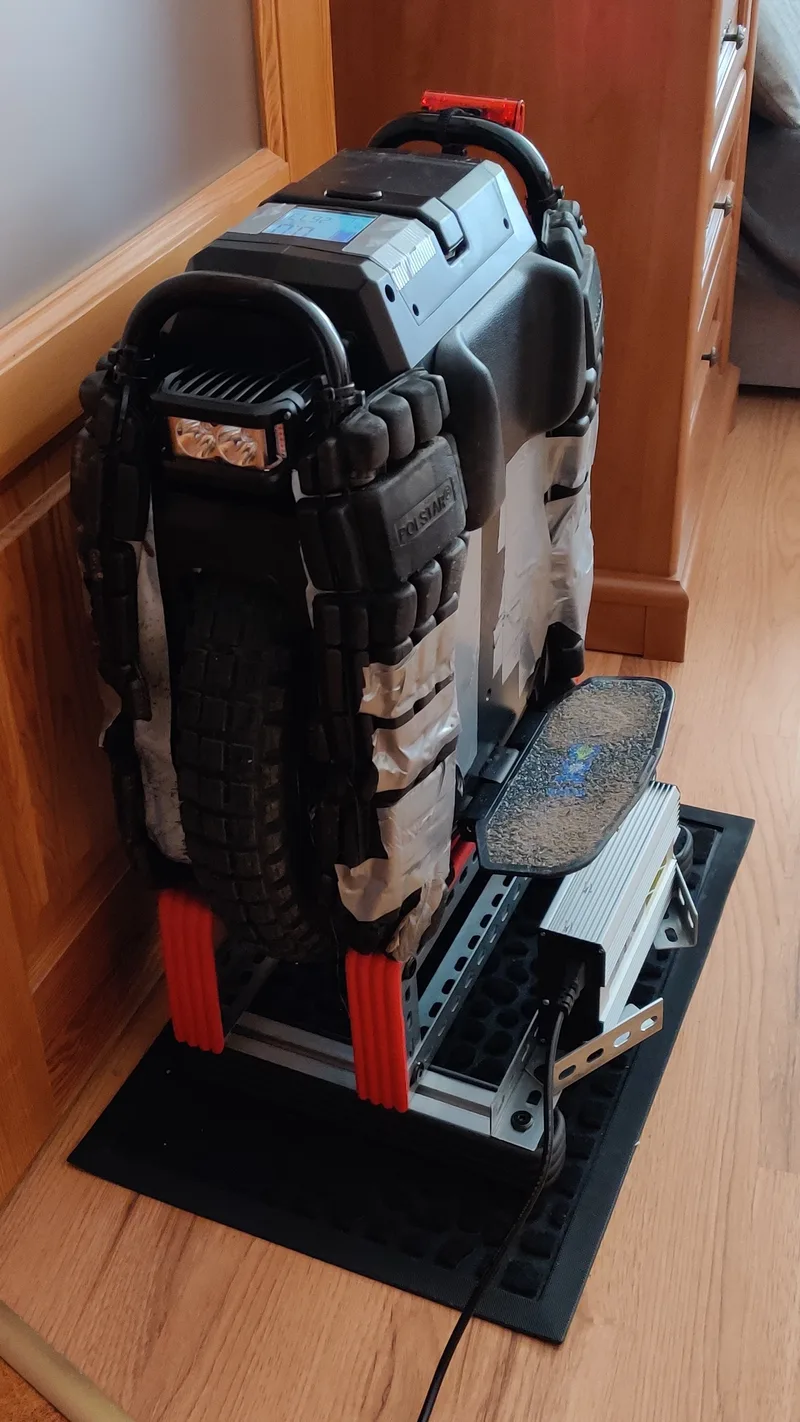
Never charge near your bed or any exit door. A 2024 study by UL Solutions, formerly Underwriters Laboratories, found that 49% of e-bike riders who charge at home routinely block fire exits with their charging setup. That habit turns a survivable fire into a fatal one. The FDNY’s message is unambiguous: if a battery fire starts between you and your door, you may not get out.
Never use extension cords or power strips. Plug the charger directly into a wall outlet. Extension cords add resistance, generate heat at connections, and create additional failure points.
Temperature discipline
Lithium-ion cells have a safe charging temperature range: 0°C to 45°C (32°F to 113°F). The optimal window is narrower: 10°C to 25°C (50°F to 77°F).
Charging below freezing causes permanent damage. At temperatures near or below 0°C (32°F), lithium ions can’t intercalate properly into the anode. Instead, metallic lithium deposits on the surface - lithium plating. These deposits reduce capacity permanently and create internal short-circuit risk. This damage is irreversible. No amount of subsequent warm charging undoes it.
Charging above 45°C (113°F) accelerates degradation. High-temperature charging breaks down the electrolyte faster, reduces cycle life by up to 40%, and increases the risk of thermal events.
The practical rule: if your EUC has been sitting in a cold garage or a hot car, bring it to room temperature before plugging in. After an intense summer ride, let the battery cool for at least 30 minutes before charging. The smart-plug-charging article covers how to automate cool-down delays with a timer.
Cold weather and charge current - parallel config matters
The 0°C cutoff is the extreme. But the danger zone starts higher than most riders realize. Between 1°C and 10°C (34°F and 50°F), cells can technically accept charge - but they can’t handle high current safely. At these temperatures, lithium ions move sluggishly through the electrolyte. Push high current into cold cells, and you get lithium plating - the same irreversible damage that happens below freezing, just slower. The colder the cells and the higher the current per cell, the worse it gets.
This is where your pack’s parallel configuration becomes critical. The charger pushes a fixed total current into the pack. That current splits evenly across the parallel groups. More parallel groups means less current per cell.
Example: 13A charger at 5°C (41°F).
A Begode Master Pro V3 has a 32s8p battery. Those 13 amps split across 8 parallel cells - each cell sees roughly 1.6A. At 5°C, 1.6A per cell is gentle. The cells can handle it without significant lithium plating.
A Begode Master (Extreme) has a 32s4p battery. Same 13A charger, same temperature - but now each cell sees roughly 3.25A. Double the current per cell. At 5°C, that’s pushing cells into the damage zone. Lithium plating accumulates with every cold charge session. Capacity drops. Internal resistance rises. The damage is permanent and invisible until the cell fails.
The rule: in cold weather (1-10°C / 34-50°F), reduce your charge current or warm the battery first. The smaller your parallel configuration (4P, 3P), the more this matters. If you’re riding in winter and coming home to a cold garage, either bring the wheel inside to warm up for an hour before charging, or use a lower-amperage charger. A 3A stock charger at 5°C on a 4P pack puts ~0.75A per cell - safe. A 13A fast charger on that same pack at the same temperature is asking for trouble.
This isn’t theoretical. Riders who fast-charge 4P packs through cold winters consistently report faster capacity degradation than those who slow-charge or warm the battery first. The physics doesn’t forgive.
Stock chargers and the fast charging ecosystem
Stock chargers work. Every EUC ships with a charger matched to its pack voltage and a safe charge current - typically 3-5A. They’re not premium equipment. Manufacturers treat the charger as a cost line item, not a showcase product. But they do the job: correct voltage, correct current profile, built-in CC-CV logic, and they balance your cells at the end of every charge. For most riders, the stock charger is all you need.
If your stock charger fails, replace it with the same model from the manufacturer or a trusted distributor. Don’t substitute a generic unit from a marketplace seller - wrong voltage or current profile is the fastest path to cell damage. CPSC data attributes roughly 35% of lithium-ion battery fire incidents to charging with incompatible equipment.
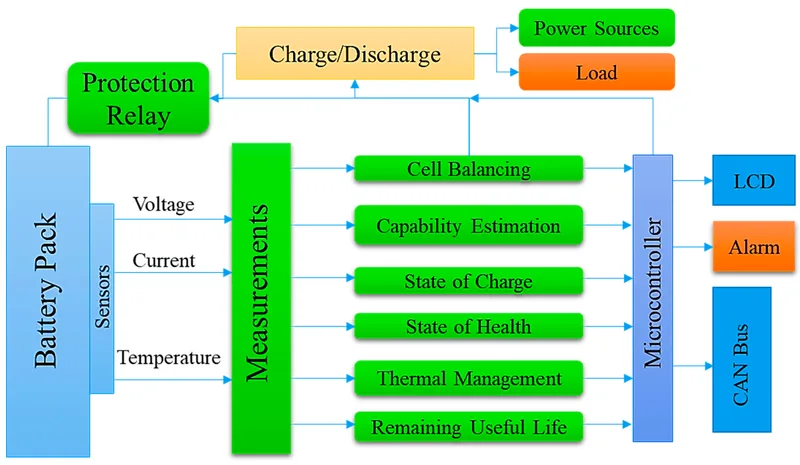
Fast chargers are a different world. The EUC community needed more than 3-5A, and a dedicated ecosystem filled the gap. The dominant approach: repurposed Huawei BTS (base station) power supplies - industrial-grade AC-to-DC converters originally designed for telecom infrastructure. These are configured via CAN bus protocol to deliver specific voltage and amperage, with dynamic adjustment during the charge cycle.
Sellers like Howu, Roger Charger, and PidZoom source, configure, and resell these units. A typical setup delivers 8-15A through dual charge ports, with configurable voltage limits and current curves. Some support programmable profiles - lower current at the start (when cells are cold or deeply depleted), full current through the middle range, taper at the top. This is more sophisticated than any stock charger.
Generic high-voltage power supplies (126V, 134V, 151V, 164V, 176V) are also available on AliExpress and similar platforms. These are cheaper but typically lack configurable current profiles and CAN bus control. They push a fixed current until the pack reaches target voltage. Functional, but less refined.
The tradeoff with fast charging is always heat. More current means more heat in cells, wiring, and connectors. Heat accelerates degradation. Fast-charge when you need a quick turnaround between rides. Slow-charge at 3-5A when time isn’t a factor. Your cells age slower on low current. And in cold weather, the parallel configuration math from the section above applies double - a 13A fast charger on a 4P pack in winter is aggressive even if the charger itself is perfectly configured.
How full to charge
Daily use: charge to 80%. The “20-80 rule” - keeping charge between 20% and 80% - reduces chemical stress on cells. At 100% charge (4.2V per cell), internal chemical reactions are at their most aggressive. At 80% (~4.0V per cell), the stress drops significantly. You lose 20% of your range. You gain years of battery life.
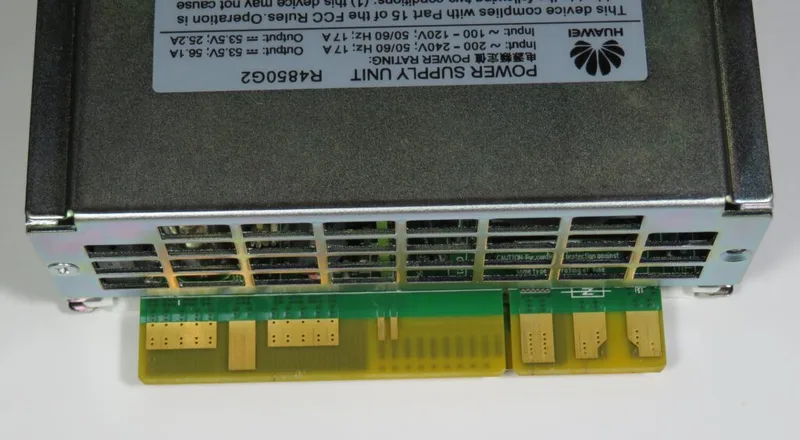
Most EUCs don’t give the rider a simple built-in charge limit like “stop at 80%.” The BMS manages cell protection and balancing, but in many wheels it does not expose a user-settable daily charge cap. The smart-plug-charging article explains how to use a Wi-Fi smart plug with a timer to cut power at the right moment.
Full charge only when you need the range. A long ride tomorrow? Charge to 100% tonight. But don’t leave it sitting at 100% for days afterward.
Long-term storage: maintain 40-60% charge. If you’re not riding for weeks or months, charge to roughly 50% (3.7-3.85V per cell) and check every 2-3 months. Storing at 100% maximizes internal stress and accelerates side reactions. Storing at 0% risks deep discharge and irreversible copper dissolution on the anode. Both extremes damage the pack.
Never charge unattended or overnight
This is the single most repeated rule across every fire safety authority - FDNY, NFPA, London Fire Brigade, Consumer Reports, Singapore LTA. Never charge unattended. Never charge overnight.
The reason is simple: if thermal runaway starts, you have seconds to react. Not minutes. Seconds. A battery fire can go from first smoke to full involvement in under 30 seconds. If you’re asleep or in another room, you may not know until it’s too late.
NYCHA public housing rules in New York - effective March 2024 - require an adult to be “present and awake” while charging. That’s the standard. Be present. Be awake. Be able to reach the charger and the exit.
If your schedule makes supervised charging impractical, a smart plug with a timer is the minimum mitigation. Set it to charge during hours when you’re home and awake. The smart-plug-charging article covers setup in detail.
Smoke detection at your charging station
Traditional smoke detectors activate after smoke or flames appear. Lithium thermal runaway escalates in seconds. That timing gap can be fatal.
Install a dual-sensor smoke and CO detector directly above your charging station. Dual-sensor means photoelectric (detects smoldering smoke) plus ionization (detects fast-flaming fires). Combined units with carbon monoxide detection add another layer - CO is one of the toxic gases produced during thermal runaway.
Recommended models:
- First Alert BRK 3120B - dual-sensor, 10-year sealed battery, loud alarm
- X-Sense SD2J0AX - dual-sensor, 10-year sealed battery, voice alerts that tell you what type of hazard
- Google Nest Protect - smart interconnected alarm with phone notifications, useful if you’re in another room
Phone notifications matter. A screaming alarm in your hallway doesn’t help if you’re watching TV with the door closed. A smart alarm that sends a push notification to your phone gives you those critical extra seconds.
Physical containment
If a battery does ignite, containment buys evacuation time. Options range from budget to professional:
Fireproof charging bags ($25-60). Brands like FLASLD or Zeee make LiPo bags designed for battery charging. They won’t fully contain a lithium fire - nothing short of a professional cabinet will. But they slow fire spread and buy minutes for evacuation. A reasonable first layer for any home setup.
Steel charging cabinets ($200-300). The RAEV Bikes Fireproof Battery Charging Box and similar products offer substantially better containment with ventilation systems. Sized for e-bike batteries but workable for EUC charging. Suitable for apartment and condo use.
DIY fireplace-board enclosure ($40-100). Fireplace insulation boards - calcium silicate or ceramic fiber, 30 mm thick, rated 1,000-1,200°C+ - are available at building supply stores for relatively little money. Cut them to size and build a charging bay around your station: floor, sides, and a loose-fitting lid for ventilation. Some riders line a metal shelf unit with these boards to create a semi-open charging bay. Not elegant, but effective.
Professional lithium-ion safety cabinets ($1,500-7,500). Justrite and DENIOS make 90-minute fire-rated cabinets that connect to building alarm systems. Overkill for most home users. Appropriate for commercial spaces, shared workshops, or buildings that store multiple devices.
For most riders, a fireproof bag on a non-combustible surface with a smoke detector above is a practical, affordable setup that dramatically improves safety over charging on a bare floor.
The complete charging checklist
Every charge session:
- Place EUC on a non-combustible surface
- Verify the battery isn’t hot from riding - wait 30 minutes if needed
- Use a charger matched to your pack voltage - stock or properly configured aftermarket
- Ensure nothing flammable is within 1.5 m (5 ft)
- Confirm the path between you and the exit is clear
- Stay present and awake while charging
- Unplug when done - don’t leave at 100%
For daily commuting, this becomes automatic in a week. The discipline costs five minutes. The alternative costs everything.
If something goes wrong
Smell something sweet or chemical near the battery: unplug immediately. Do not touch the battery. Move the wheel outside if safe to do so. Call emergency services if the smell intensifies.
See swelling or bulging: do not charge. Do not ride. Move the wheel outside to a non-combustible surface. Contact the manufacturer or distributor for replacement.
Hear hissing or crackling from the battery area: unplug. Leave the room. The battery may be venting gas before thermal runaway. Get everyone out. Call emergency services.
Battery is actively on fire: get out. Close the door behind you. Call emergency services. Do not attempt to extinguish a lithium-ion fire with a household fire extinguisher - it won’t work. Water can slow the reaction but won’t stop it. Your job is evacuation, not firefighting.
After any suspected thermal event: do not bring the battery back inside for at least 24 hours. Approximately 25% of suppressed lithium fires reignite within a day. Leave it outside on concrete, away from structures, and monitor.
555 take
Charging safety is not complicated. It’s a checklist, a smoke detector, and the discipline to not plug in and walk away. The single most impactful thing you can do: never charge unattended, never charge overnight, never charge near an exit.
Combine that with a properly matched charger, temperature awareness (especially cold-weather charge current on small parallel packs), the 80% daily charge habit, and a $30 fireproof bag - and you’ve reduced an already-low risk to near-negligible. Your battery is the most expensive component in your EUC and the most consequential if it fails. Five minutes of charging discipline protects a multi-thousand-dollar investment and - more importantly - your home and the people in it.